Big wave surf training
Big Wave Surf Training in Nazaré
A personalized pathway from your current surfing to supported training at Nazaré.
Nazaré Surf Club coordinates private surf coaching, strength and conditioning, surf apnea, recovery and mobility, tow-in preparation and two dedicated Nazaré sessions around one athlete. Training is based in Peniche and adapts to your level, response and readiness.
One athlete. One connected plan.
Your personalized big-wave training pathway
The program starts with your surfing, physical condition, apnea experience, availability and objective. Coaches share what they see, coordinate the training load and adapt the next block as you progress.
Recommended duration is around two months, scheduled individually. Previous big-wave experience is not required, but you must already surf independently.
Private surf coaching
Assessment, one-to-one coaching and video analysis develop technique, line choice and control.
Strength and conditioning
An individual plan builds the strength, mobility, stability and endurance your surfing requires.
Surf apnea
Controlled sessions develop breath control, relaxation, recovery breathing and composure under pressure.
Recovery and mobility
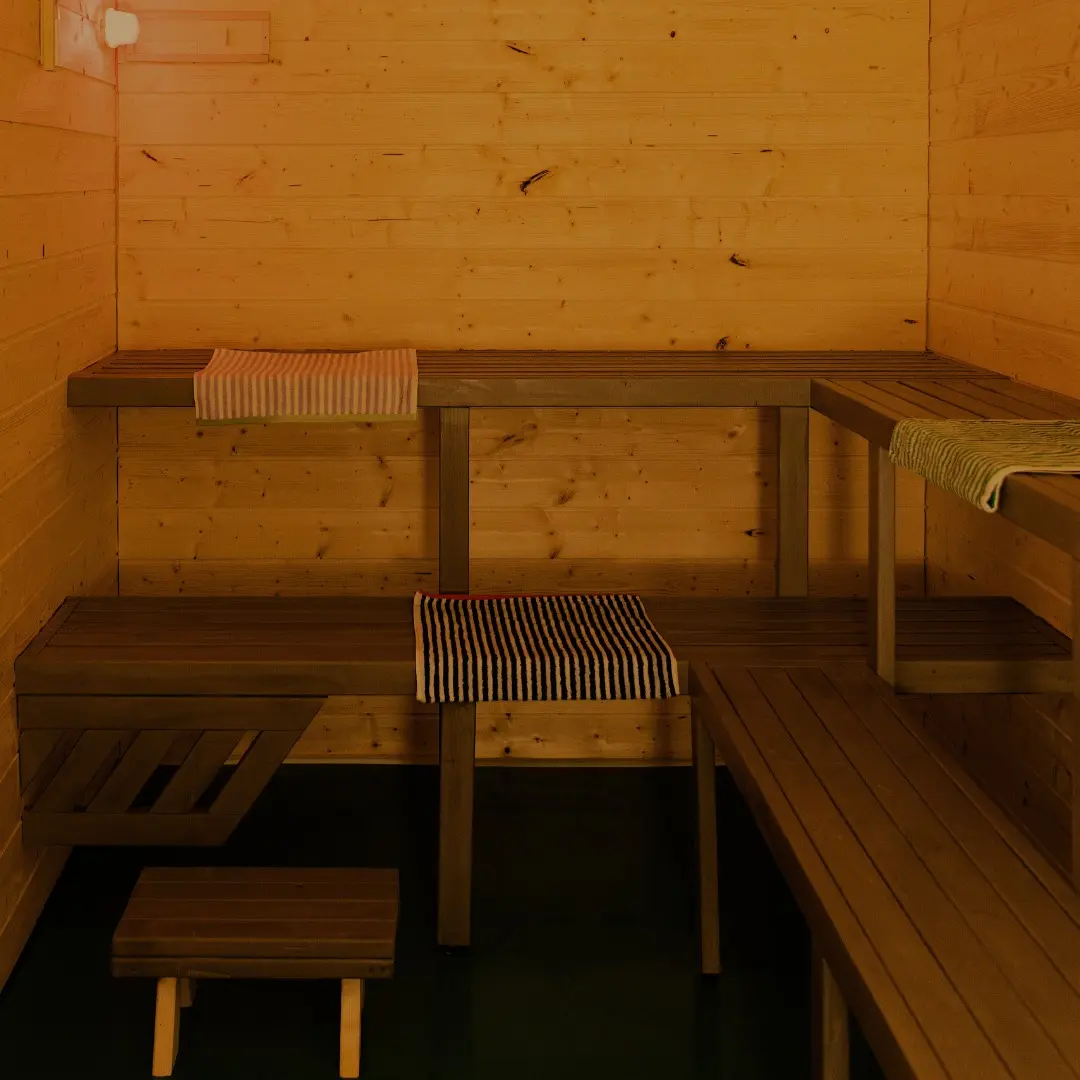
Private recovery work, sauna and ice baths help you manage training load and prepare for the next session.
Tow-in preparation
Learn the equipment, communication, tow sequence, positioning and crew roles behind supported big-wave surfing.
Nazaré sessions
The program includes two dedicated sessions with in-water support, shaped by readiness and ocean conditions.
One athlete. One connected plan.
How coordinated training prepares you for Nazaré
A technically capable surfer still needs to understand the tow sequence and team communication. Physical work must support the positions and forces used on the board. Apnea, recovery, and mental preparation must fit around the same training load. Treating each area separately can produce conflicting priorities; the program connects them around the athlete’s current level and objective.
Ivo
Tow-in training and Nazaré operations
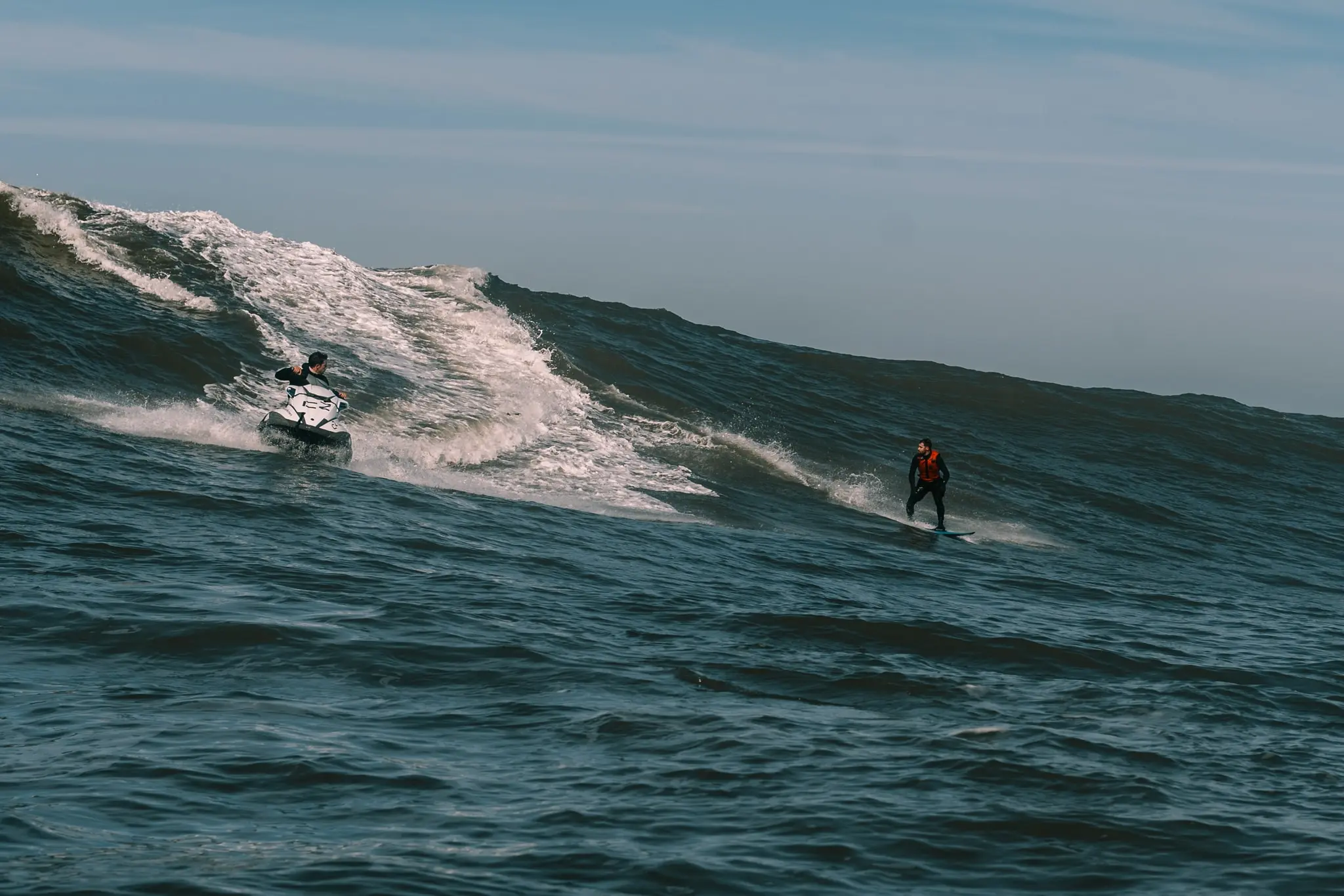
Tow-in preparation starts with the operation. The surfer needs to recognise the equipment, understand the tow and release sequence, use agreed communication, and know where each team member fits before a session begins.
The Capitania do Porto da Nazaré requires prior authorization and an appropriate support structure for tow-in activity. Its published guidance calls for maritime and shore arrangements, qualified personnel, spotters, and radio communication. Seasonal conditions can change, so the live Capitania guidance—not an older checklist—must be consulted for the applicable rules.
The Big Wave Risk Assessment Group provides a wider professional framework for spot analysis, personal-watercraft procedures, equipment, communication, and scenario-based preparation. In the NSC program, this discipline becomes practical familiarity: how the team works, how the equipment is used, and how a planned session is organised.
Inês
Private surf coaching for big-wave progression
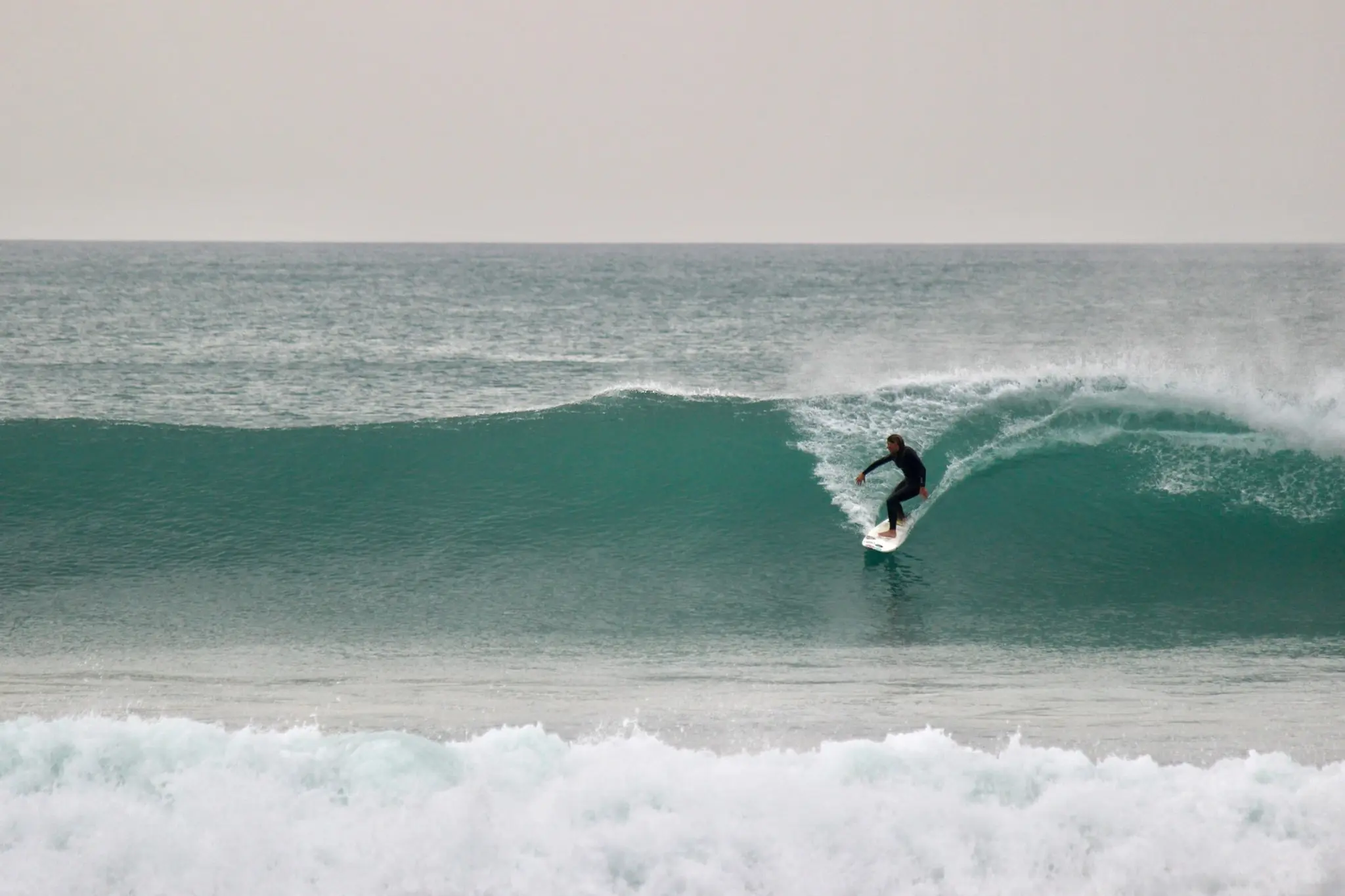
The tow provides entry speed; the surfer still has to choose and hold an effective line. Stance, pressure control, board stability, speed management, and the bottom turn shape what follows.
A 2024 analysis of 199 frontside bottom turns performed by professional surfers identified technical features associated with high-level execution and with the manoeuvre that followed. The study gives coaches observable cues rather than a universal formula. That distinction matters: technique must be assessed in context, then adapted to the surfer, board, direction, and training conditions.
Private coaching turns those observations into focused work. Video and coach feedback can isolate one useful adjustment at a time, allowing the surfer to develop control before conditions become more demanding.
Guilherme
Surf apnea and breath-control training
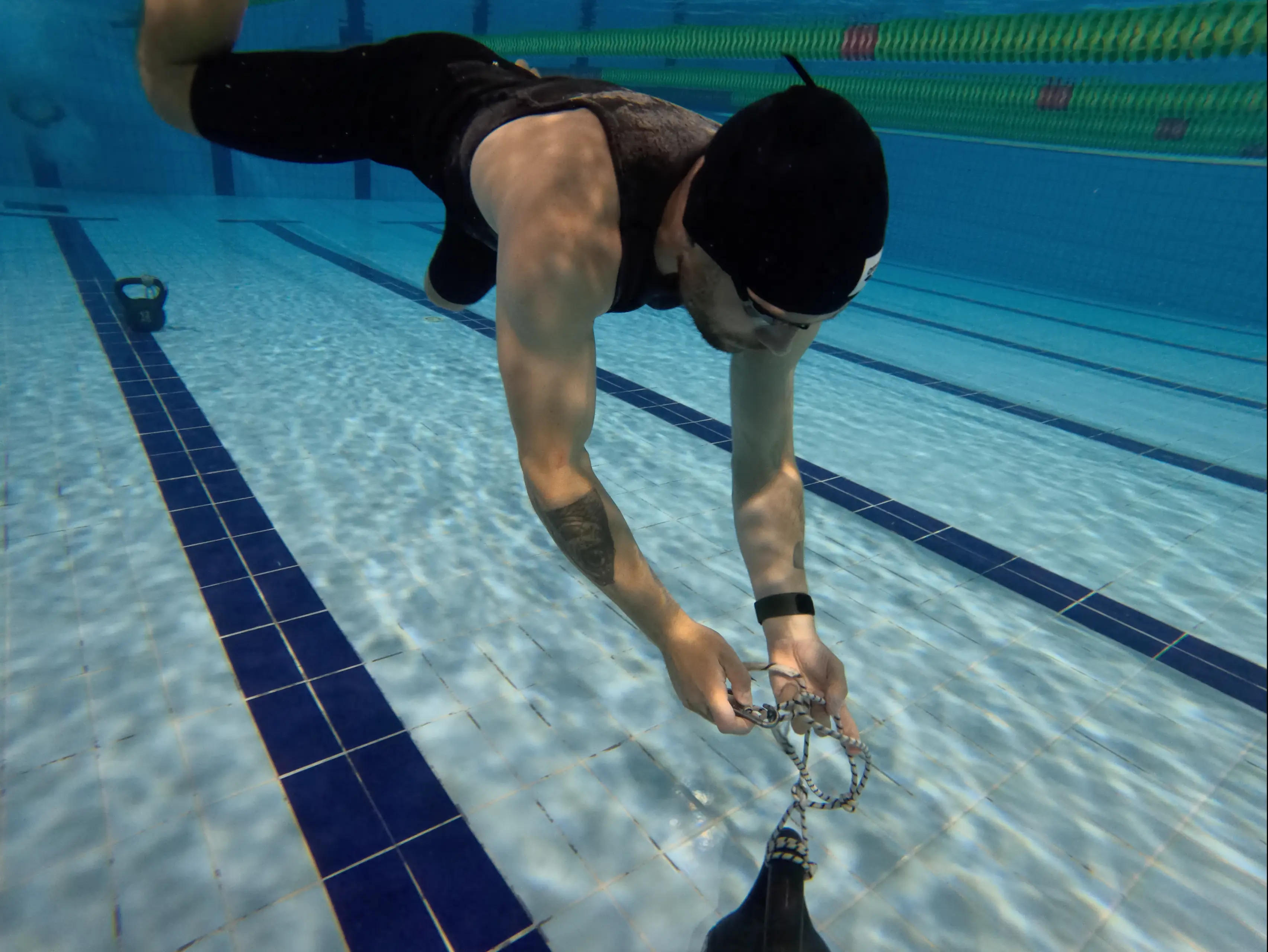
Surf apnea is not reduced to a maximum time. It combines breathing control, relaxation, familiarity with respiratory discomfort, and the ability to recover between structured efforts.
A recent review of breath-holding in sport describes both potential adaptations and the complexity of designing an effective protocol. It concludes that training needs to account for the protocol, timing, existing warm-up, and athlete context. A separate review of apnoeic training physiology documents substantial variation between individuals.
That evidence supports assessment and progression rather than a fixed target. NSC’s surf-apnea sessions use controlled practice to develop breath control and composure while keeping the work connected to the athlete’s wider preparation.
Gonçalo
Strength, conditioning and mobility
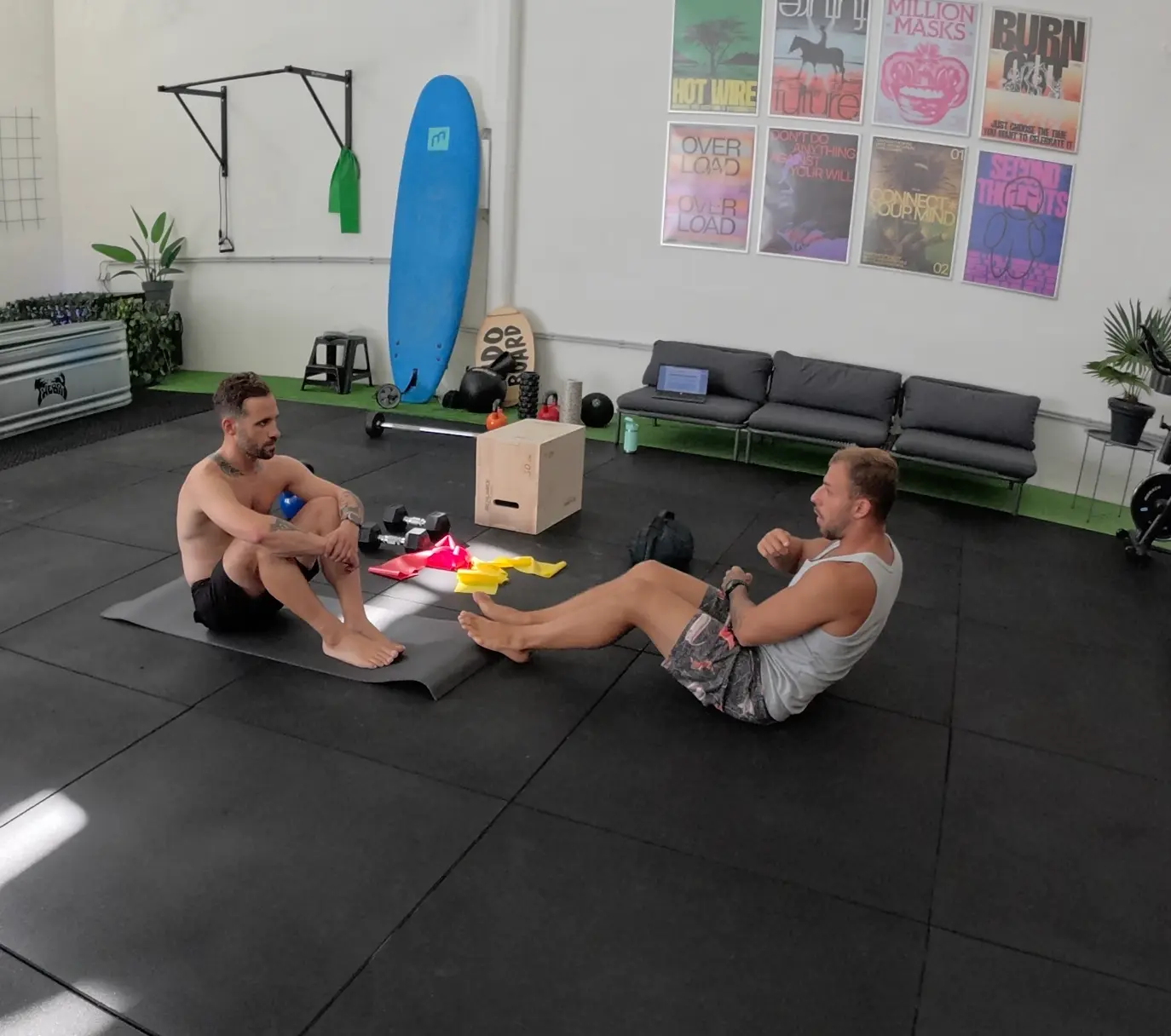
Physical preparation should serve the movement on the board. Lower-body strength, rotational control, mobility, balance, and stability all contribute to maintaining useful positions as forces change through a ride.
In a small eight-week study, a core-strength program for competitive surfers improved measured qualities including rotational power, lower-body power, core strength, endurance, and rotational flexibility. Research comparing surfers at different levels also found distinctions in ankle proprioception, range of motion, and force absorption.
These studies support training relevant physical qualities; they do not make every balance drill surf-specific. The program begins with the athlete’s profile, then selects exercises that have a clear purpose within the technical plan.
Emma
Recovery, mobility and mental preparation
More work is not automatically better preparation. Training has to be absorbed, and the athlete needs a repeatable process for responding to pressure.
An international consensus statement on recovery and performance describes recovery as a balance between training, competition, and other life demands. Expert recommendations on sleep and athletes also favour individualized assessment over a single prescription.
Mental work can include imagery, attention control, breathing routines, and rehearsal of planned responses. A large review of psychological interventions in sport found promising results, but those effects became less certain when weaker study designs were removed. The useful claim is therefore measured: structured practice can give the athlete tools to apply, not a guarantee of a particular performance.
Coordination changes the plan
How the preparation comes together
- Assess.Surfing, physical condition, apnea experience, availability, and objectives establish the starting point.
- Build.Each coach develops a focused part of the program without losing sight of the shared objective.
- Adapt.Progress, fatigue, conditions, and coach observations inform the next block.
- Prepare.The athlete learns the equipment and procedures before a supported Nazaré session is considered.
Each discipline above is one part of a single offer — see what the package includes and who delivers it.
How readiness for Nazaré is assessed
Readiness is a team judgment informed by demonstrated technique, physical and respiratory preparation, familiarity with procedures, current conditions, and the athlete’s response to training. Enrollment does not guarantee a particular wave or session outcome.
The program is designed for surfers who already know their way around a wave. Previous big-wave experience is optional; commitment to structured preparation is essential.
Before you apply
Big wave surf training FAQ
What surfing level do I need?
The program is for surfers who can catch waves independently and are comfortable surfing without an instructor beside them. It is not a learn-to-surf program. Your initial assessment establishes your starting point.
Do I need previous big-wave experience?
No. Previous big-wave experience is optional. You need established surfing fundamentals, commitment to structured training and respect for a readiness-led progression.
Will I surf Praia do Norte during the Nazaré sessions?
Not necessarily. The program includes two dedicated Nazaré training sessions with in-water support, but the location and activity depend on your readiness, ocean conditions and the team’s judgment.
Is tow-in training included?
Yes. The program covers tow-in equipment, communication, procedures and positioning. Practical activity depends on readiness, conditions and the in-water team’s judgment.
How long does the program take?
Around two months is recommended, but the schedule is personalized. Training, recovery, availability and suitable ocean conditions determine the final timing.
What is included?
The base package combines a surf assessment, private surf coaching with video analysis, personal conditioning, surf apnea, private recovery sessions, tow-in and operational preparation, equipment rental and two dedicated Nazaré sessions.
Does the program guarantee that I will surf Nazaré?
No. No responsible program can guarantee a wave or session outcome at Nazaré. Progression depends on demonstrated readiness, suitable conditions and the coaching and in-water team’s judgment.
Based in Peniche. Supported at Nazaré.
Build your preparation with one connected team.
Tell us about your surfing, experience, availability, and objective. The team will assess whether the program fits your starting point.
Apply to the programSources
- Capitania do Porto da Nazaré: tow-in authorization and operational guidance
- Big Wave Risk Assessment Group: ocean and PWC preparation
- DGRM: Portuguese recreational-navigation qualifications
- Whitting et al.: critical features of the frontside bottom turn
- Breath-holding in sport: physiological effects and practical challenges
- Physiology and adaptations to chronic apnoeic training
- Core-strength training in competitive surfers
- Physical qualities across surfing levels
- Recovery and Performance in Sport consensus statement
- Sleep and the Athlete expert consensus recommendations
- Psychological interventions and athletic performance systematic review